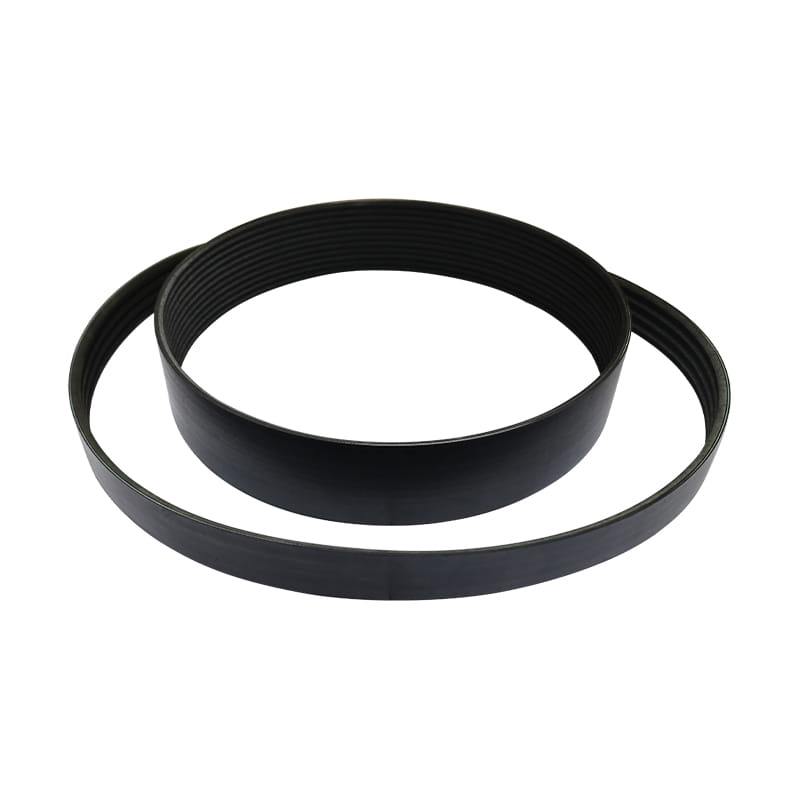
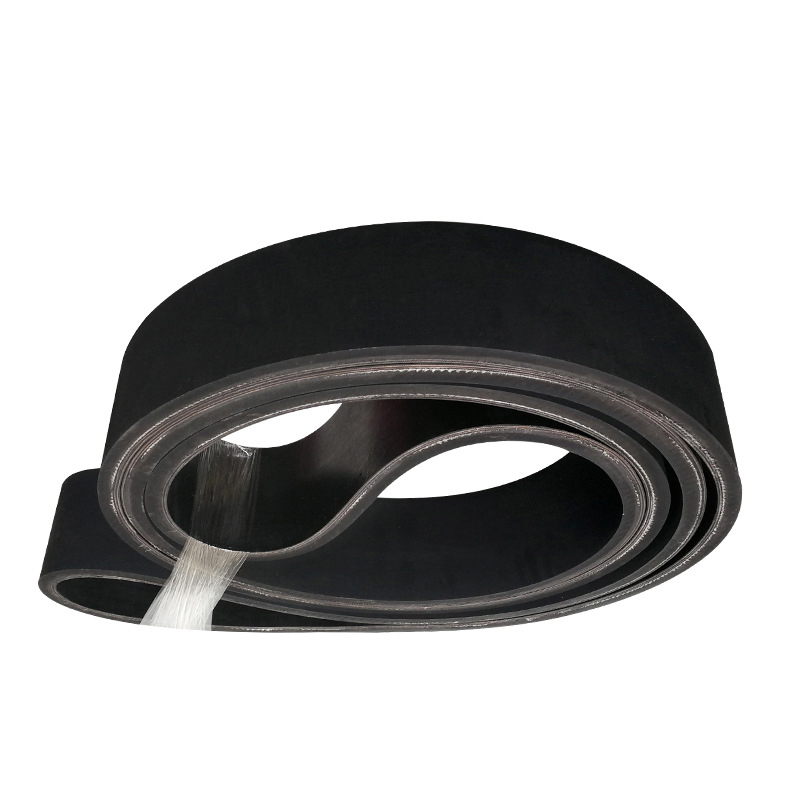
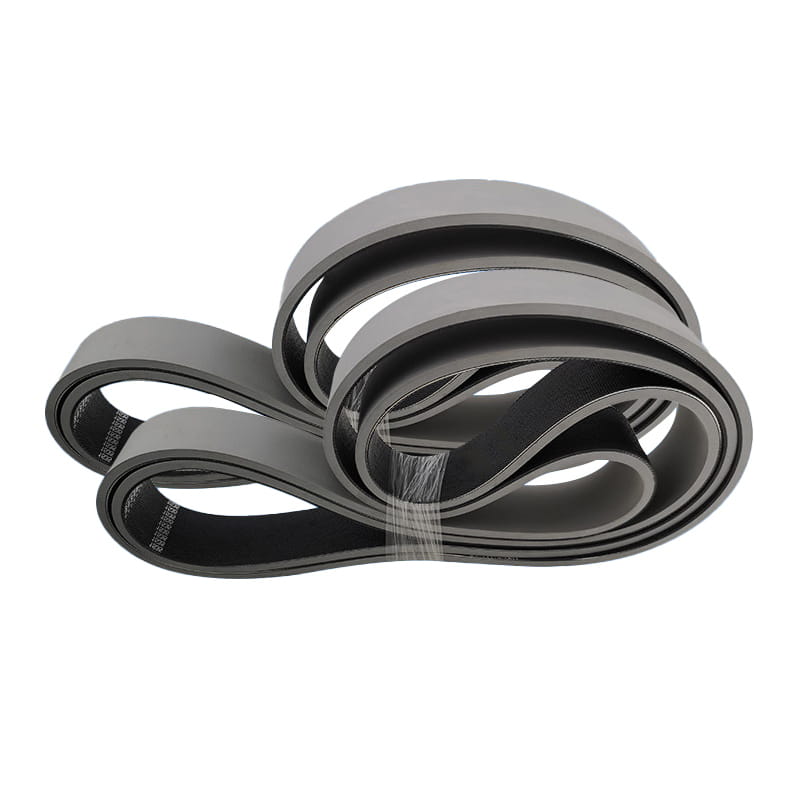
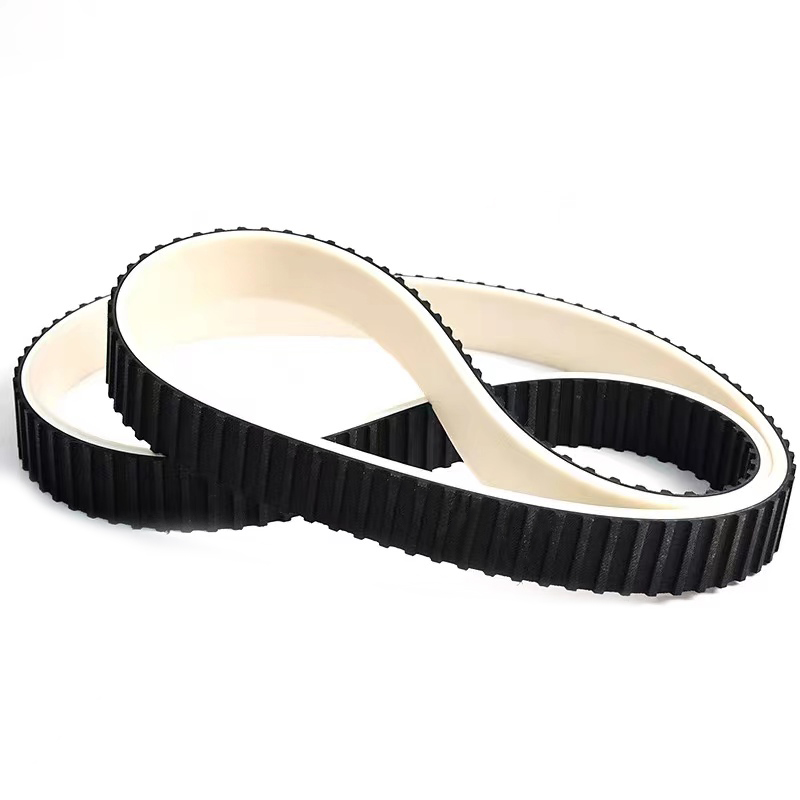
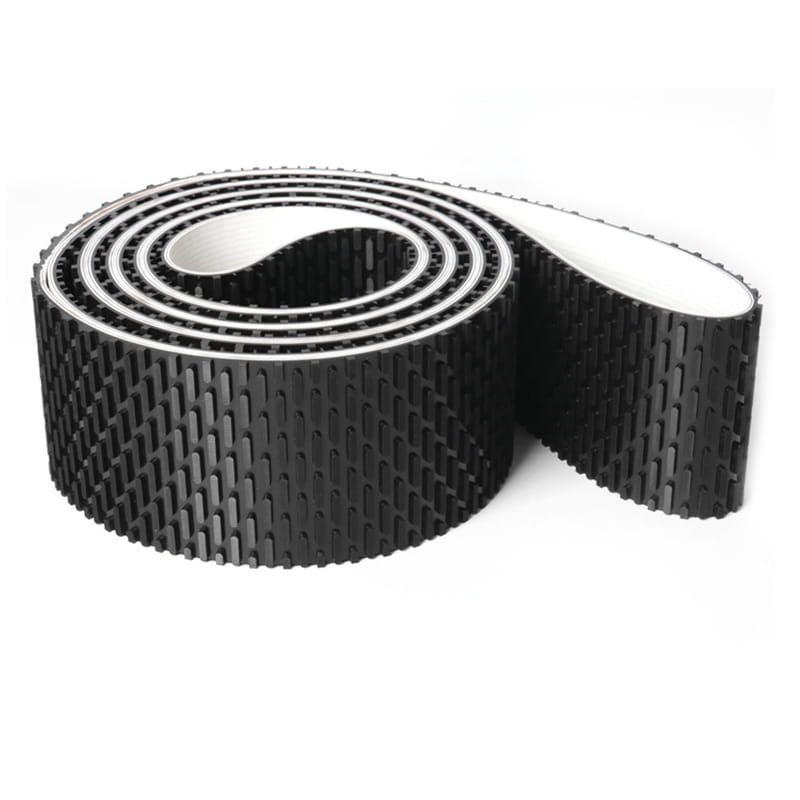
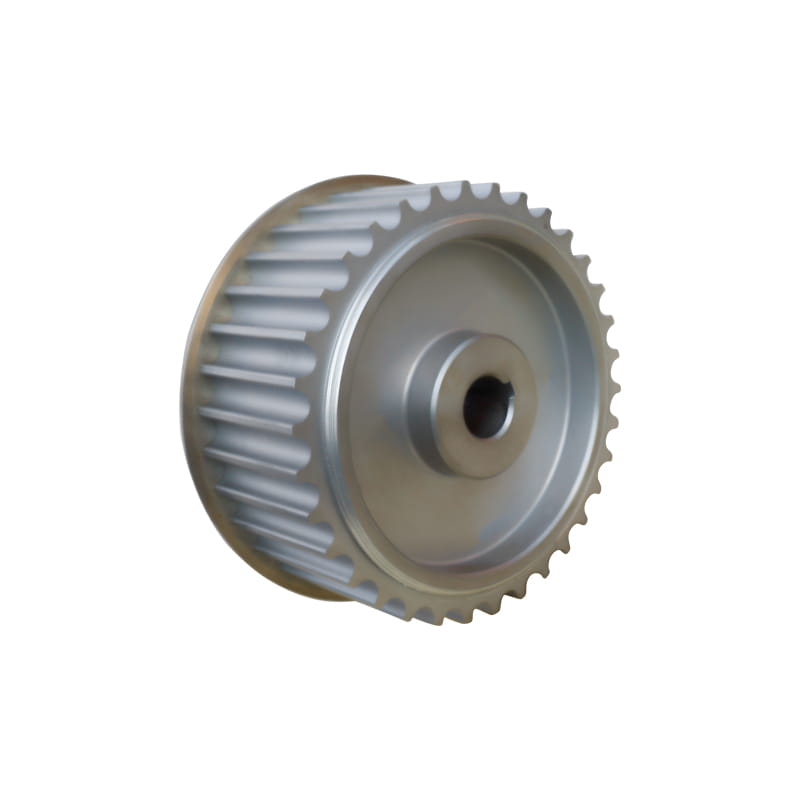
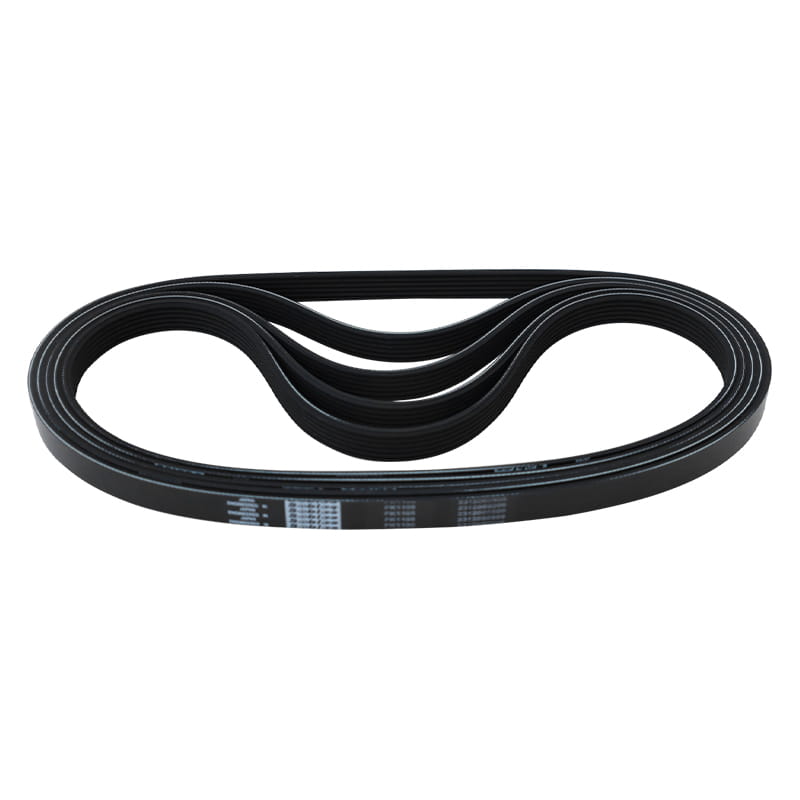
تسمه های آجدار لاستیکی تسمه های پلی V، تسمه های چند دنده ای یا تسمه های سرپانتین نیز نامیده می شوند تسمه های انتقال قدرت انعطاف پذیر ساخته شده از یک ترکیب لاستیکی الاستومری تقویت شده توسط طناب های کششی طولی، با یک سری دنده های موازی V شکل که در امتداد سطح داخلی آنها قرار دارند. . این دنده ها در شیارهای منطبق بر روی قرقره هایی که رانده می شوند قرار می گیرند و انعطاف پذیری یک تسمه تخت را با چسبندگی مثبت تسمه های V-V در یک واحد جمع و جور ترکیب می کنند. به عنوان مثال، یک تسمه آجدار استاندارد 6PK، ظرفیت بار سه تسمه V-V معمولی را فقط در یک پروفیل بسته بندی می کند. عرض 21.4 میلی متر - فعال کردن سیستم های محرک فشرده و کارآمد موجود در موتورهای مدرن خودرو، ماشین آلات صنعتی، تجهیزات تناسب اندام و لوازم خانگی در سراسر جهان. این مقاله دقیقاً توضیح میدهد که تسمههای آجدار لاستیکی چیست: ساختار، مواد، استانداردهای هندسی، فرآیند تولید، و طیف وسیعی از کاربردها که در آن راهحل ترجیحی انتقال نیرو هستند.
آناتومی یک کمربند آجدار لاستیکی: چهار لایه ساختاری
یک تسمه دنده لاستیکی یک نوار لاستیکی همگن نیست. این یک ترکیب دقیق مهندسی شده از چهار لایه ساختاری مجزا است که هر یک عملکرد مکانیکی خاصی را انجام می دهند. درک این ساختار توضیح میدهد که چرا تسمههای آجدار بهتر از طرحهای تسمه سادهتر در کاربردهای سختتر عمل میکنند.
لایه 1 -- بدنه دنده (سطح داخلی)
درونی ترین لایه، خود پروفیل آجدار را تشکیل می دهد - مجموعه ای از دنده های V شکل طولی که با شیارهای قرقره درگیر می شوند. این لایه از یک ترکیب لاستیکی با عیار بالا ساخته شده است - معمولاً EPDM (مونومر اتیلن پروپیلن دی ان) در تسمه های مدرن - به دلیل ترکیبی از انعطاف پذیری، ضریب اصطکاک و مقاومت در برابر گرما و ازن انتخاب شده است. هندسه دنده تعیین کننده مشخصات تسمه و ظرفیت بار است. ابعاد دنده در سطح بینالمللی تحت ISO 9981 و DIN 7867 استاندارد شدهاند و گام دقیق (فاصله مرکز به مرکز بین دندهها)، ارتفاع دنده و زاویه پهلو برای هر تعیین پروفایل از PH تا PM را مشخص میکنند.
لایه 2 -- طناب کششی
لایه طناب کششی - ستون فقرات ساختاری کمربند - در بدنه لاستیکی درست بالای ریشه های دنده تعبیه شده است. این طناب ها به صورت طولی در امتداد طول تسمه در یک آرایش مارپیچ اجرا می شوند و کل بار کششی منتقل شده توسط درایو را حمل می کنند. بسته به نیازهای برنامه از سه ماده بند ناف استفاده می شود:
- پلی استر: انتخاب استاندارد برای کاربردهای صنعتی خودرو و عمومی. استحکام کششی معمولاً 1200 تا 1800 نیوتن در هر دنده برای پروفیل PK. مقاومت در برابر خستگی خوب تحت بارگذاری چرخه ای با هزینه متوسط.
- آرامید (الیاف پاراآرامید): مورد استفاده در درایوهای پر فشار و بار ضربه ای. مدول کشش تقریبا 5 تا 6 برابر بیشتر از پلی استر ، به معنی ازدیاد طول به طور چشمگیری کمتر تحت بارهای اوج. برای کمپرسورهای صنعتی سنگین، درایوهای استارت استاپ و ماشین آلات با گشتاور بالا مشخص شده است (منبع: راهنمای فنی Optibelt، مهندسی انتقال نیرو، 2020).
- پلی آمید (نایلون): در جاهایی انتخاب شده است که انعطاف پذیری بالا همراه با استحکام کششی خوب مورد نیاز است، مانند درایوهای تجهیزات تناسب اندام قرقره کوچک با سرعت بالا و مکانیسم های دستگاه پزشکی.
لایه 3 -- لایه کوسن
بین طنابهای کششی و پشت تسمه، یک لایه بالشتک از ترکیب لاستیکی نرمتر قرار دارد که طنابها را هم به بدنه دنده زیر و هم به قسمت پشتی بالا متصل میکند. این لایه تنش های دیفرانسیل بین طناب های سفت و سخت و ماتریس لاستیکی خم شونده را در طول خم شدن تسمه جذب می کند و از لایه برداری سیم به لاستیک جلوگیری می کند - حالت شکست خستگی اولیه در تسمه های آجدار طراحی نشده. ترکیب بالشتک معمولاً فرمولاسیون طول سنج نرم تری نسبت به ترکیب دنده ای است که برای چسبندگی و عمر خستگی به جای اصطکاک سطحی بهینه شده است.
لایه 4 -- پشت پارچه
سطح بیرونی یک تسمه آجدار - پشتی که در برابر قرقره ها و کشنده های غیرفعال قرار می گیرد - معمولاً با یک لایه پارچه بافته شده ، معمولاً منسوجات پلی آمید یا پلی استر. این پارچه سه عملکرد را انجام می دهد: از لاستیک پشتی در برابر سایش محافظت می کند، جایی که با قرقره های بیکار پشتی تماس می گیرد. سطح مقطع تسمه را تثبیت می کند و از چسبیدن پشت به قرقره ها یا راهنماها جلوگیری می کند. و سطح بصری تمیزی را فراهم می کند که علائم شناسایی، کدهای طول و مهرهای سازنده را در طول عمر مفید تسمه خوانا می کند.
استانداردهای پروفایل دنده: سیستم تعیین بین المللی
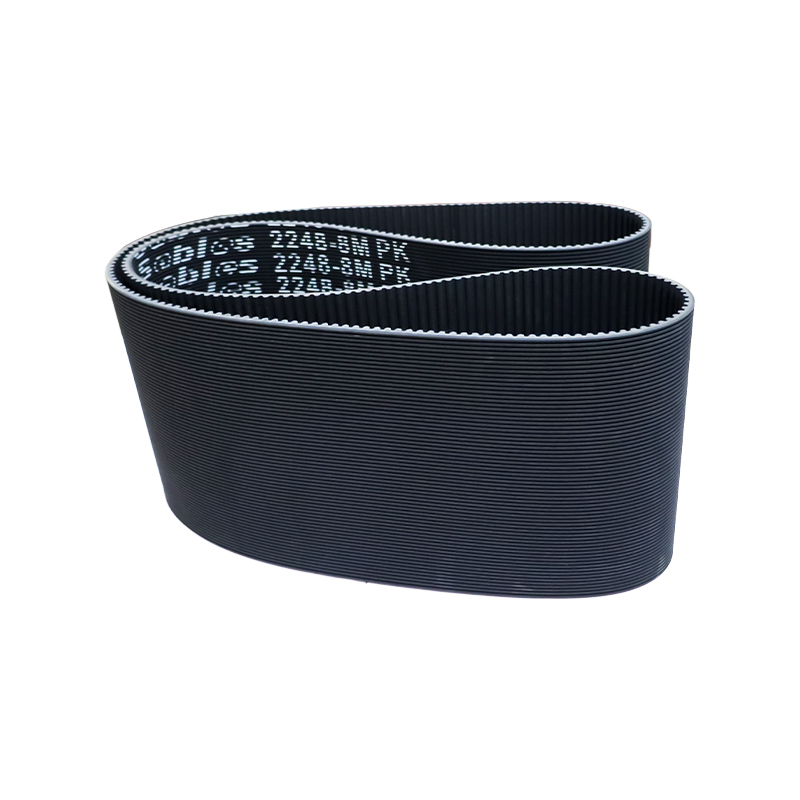
هندسه دنده یک تسمه آجدار لاستیکی برای هیچ سازنده ای اختصاص ندارد -- این توسط استانداردهای بین المللی تعریف شده است که قابلیت تعویض کامل بین تسمه ها و قرقره های تامین کنندگان مختلف در سراسر جهان را تضمین می کند. دو استاندارد حاکم هستند ISO 9981 (بین المللی) و DIN 7867 (اروپایی، هماهنگ با ISO 9981). هر دو ابعاد دنده یکسان را در پنج نام استاندارد پروفایل مشخص می کنند:
| نمایه | گام دنده (میلی متر) | ارتفاع دنده (میلی متر) | زاویه پهلو | حداقل دیا قرقره. (میلی متر) | برنامه های کاربردی معمولی |
| PH | 1.60 | 0.80 | 40 درجه | 13 | دستگاه های پزشکی، ابزار دقیق، لوازم کوچک |
| پی جی | 2.34 | 1.00 | 40 درجه | 20 | لوازم خانگی، تجهیزات بدنسازی، ماشین های اداری |
| PK | 3.56 | 1.55 | 40 درجه | 45 | موتورهای خودرو، HVAC، درایوهای صنعتی سبک تا متوسط |
| PL | 4.70 | 2.00 | 40 درجه | 75 | ماشین آلات کشاورزی، کمپرسورهای صنعتی سنگین |
| PM | 9.40 | 3.76 | 40 درجه | 180 | درایوهای صنعتی بسیار سنگین، سیستم های قرقره با قطر بزرگ |
منبع: ISO 9981:1998 / DIN 7867. گام دنده = فاصله مرکز به مرکز بین دنده های مجاور. حداقل قطر قرقره کوچکترین قطر قرقره توصیه شده برای آن پروفیل است.
یک نام گذاری کمربند مانند 6PK1750 هر سه پارامتر مشخصات حیاتی را در قالب استاندارد کدگذاری می کند: 6 = تعداد دنده ها، PK = تعیین مشخصات، 1750 = طول موثر بر حسب میلی متر. این سیستم علامت گذاری که در ISO 9981 تعریف شده است، ارجاع متقابل بین تولید کنندگان و تایید مشخصات تسمه تعویض صحیح را برای مهندسان تعمیر و نگهداری در سراسر جهان ساده می کند.
مواد ترکیبی لاستیکی: تسمه های آجدار از چه ساخته شده اند
ترکیب لاستیکی مورد استفاده در بدنه دنده، محدوده عملیاتی دمای تسمه، مقاومت شیمیایی، مقاومت در برابر ازن و ویژگی های اصطکاک سطحی را تعیین می کند. سه ترکیب بر بازار تسلط دارند که هر کدام برای یک محیط کاربردی مجزا مناسب هستند.
EPDM - ترکیب استاندارد مدرن
EPDM (مونومر اتیلن پروپیلن دی ان) ترکیب غالب در تسمه های آجدار مدرن خودرو است و به طور فزاینده ای در کاربردهای صنعتی استفاده می شود. خواص کلیدی آن عبارتند از:
- محدوده دما: عملکرد مداوم از -40 درجه سانتیگراد تا 120 درجه سانتیگراد. تحمل متناوب تا 150 درجه سانتیگراد
- مقاومت ازن: عالی -- EPDM فاقد پیوندهای دوگانه کربن- کربن غیر اشباع در زنجیره پلیمری اصلی خود است که ذاتاً در برابر حمله ازن که باعث ترکخوردگی سطحی در ترکیبات قدیمیتر میشود مقاوم است.
- عمر سرویس: تسمه های آجدار خودرو EPDM برای 100000 تا 160000 کیلومتر عملکرد خودرو در شرایط عادی، در مقایسه با 40000 تا 60000 کیلومتر برای تسمه های ترکیبی CR نسل قبلی (منبع: SAE J1390 Belt Life Testing Standard، 2018)
- رفتار پوشیدن: EPDM به تدریج و به طور یکنواخت فرسوده می شود -- در پایان عمر مانند ترکیب CR ترک نمی خورد یا تکه نمی شود، که به این معنی است که بازرسی بصری به تنهایی کافی نیست. یک سنج سایش دنده برای ارزیابی دقیق وضعیت کمربند EPDM مورد نیاز است.
CR -- ترکیب کلروپرن (نئوپرن).
CR (لاستیک کلروپرن، نام تجاری Neoprene) استاندارد صنعتی قبل از EPDM بود و همچنان در جایی استفاده می شود. مقاومت در برابر پاشش روغن و سوخت یک اولویت است. CR نسبت به EPDM مقاومت بهتری در برابر سیالات مبتنی بر نفت دارد و آن را به انتخاب ارجح برای درایوهای گیربکس صنعتی، کاربردهای موتورهای دریایی و هر محیطی که آلودگی سطح تسمه با روانکار یک شرایط کاری معمولی است تبدیل می کند. تسمه های CR دارای محدوده دمایی قابل استفاده تقریباً -30 درجه سانتیگراد تا 100 درجه سانتیگراد هستند و ترک های قابل مشاهده را در پایان عمر نشان می دهند - یک نشانگر بازرسی بصری ساده تر از سایش EPDM.
ترکیبات ویژه با دمای بالا
برای درایوهای صنعتی که در دماهای مداوم بالای 130 درجه سانتیگراد کار می کنند - سیستم های خشک کن پارچه، نوار نقاله های اجاق گاز صنعتی، ماشین آلات فرآیند گرمایشی - فلوئوروالاستومرهای تخصصی یا ترکیبات لاستیکی مبتنی بر سیلیکون استفاده می شود. این مواد در دماهایی که باعث نرم شدن، متورم شدن یا از دست دادن استحکام کششی ترکیبات EPDM و CR معمولی می شود، پایداری ابعادی و خواص چسبندگی را حفظ می کنند. تسمههای آجدار فلوئوروالاستومری میتوانند در دمای مداوم تا 200 درجه سانتیگراد در برخی از فرمول ها (منبع: Parker Hannifin Fluoroelastomer Technical Data، 2022).
تسمه های آجدار لاستیکی چگونه تولید می شوند
فرآیند تولید تسمههای آجدار در هر مرحله با دقت کنترل میشود، زیرا تلورانسهای ابعادی در سطح میکرون تعیین میکنند که آیا یک تسمه به درستی با قرقرههای خود درگیر میشود، بیصدا کار میکند و به عمر مفید خود دست مییابد.
- مخلوط کردن ترکیب لاستیکی: پلیمر خام (EPDM، CR یا الاستومر ویژه) با کربن سیاه، نرم کننده ها، عوامل ولکانیزاسیون و کمک های پردازش در یک میکسر داخلی (نوع Banbury) برای تولید یک ترکیب همگن با سختی هدف، ضریب اصطکاک و خواص حرارتی ترکیب می شود. رئولوژی ترکیب قبل از هر دوره تولید آزمایش می شود.
- آماده سازی بند ناف: نخ های طناب کششی (پلی استر، آرامید یا پلی آمید) با یک سیستم پرایمر چسبنده - معمولاً یک غوطه وری RFL (رزورسینول فرمالدئید-لاتکس) - برای تقویت اتصال بین بند ناف و ماتریس لاستیکی پردازش می شوند. طناب درمان نشده تحت بارگذاری چرخه ای از لاستیک جدا می شود و باعث شکست زودرس تسمه می شود.
- ساخت کمربند: یک آستین کمربند لولهای بر روی یک درام استوانهای با بستهبندی متوالی لایهها ساخته میشود: پشت پارچه، لاستیک بالشتک، طناب کششی (به صورت مارپیچ در تنش و گام دقیق پیچیده شده)، و لاستیک دندهای. لایه مرکب دنده ای در این مرحله به صورت یک ورق مسطح اعمال می شود -- پروفیل دنده در مرحله قالب گیری بعدی تشکیل می شود.
- قالب گیری ولکانیزاسیون: آستین ساخته شده در داخل یک قالب گرم شده با مشخصات آجدار در سطح داخلی آن قرار می گیرد. گرمای اعمال شده (معمولاً 160 تا 180 درجه سانتیگراد) و فشار باعث ولکانیزه شدن لاستیک می شود - ایجاد پیوندهای متقاطع گوگردی کووالانسی بین زنجیره های پلیمری که ترکیب گرمانرم را با خواص مکانیکی نهایی به الاستومری ترموست تبدیل می کند. پروفیل دنده به طور همزمان در این مرحله تشکیل می شود و درمان می شود.
- برش و تکمیل: آستین ولکانیزه از قالب خارج می شود و به کمربندهای جداگانه با عرض مشخص (تعداد دنده) بریده می شود. لبههای کمربند برای حذف فلاش بریده میشوند و هر تسمه از نظر انطباق ابعادی، نقصهای سطحی و هندسه درست پروفیل دنده قبل از علامتگذاری با کد تعیین و طول بررسی میشود.
کل فرآیند از اختلاط ترکیبات تا بازرسی تسمه تمام شده توسط استانداردهای مدیریت کیفیت از جمله کنترل می شود ISO/TS 16949 (کیفیت زنجیره تامین خودرو) و ISO 9001 (کیفیت تولید عمومی)، تضمین ثبات در بین دسته های تولید. ما تسمه های آجدار لاستیکی تحت این استانداردهای کیفی با قابلیت ردیابی تمام ابعاد و مواد از مواد اولیه تا محصول نهایی تولید می شوند.
ویژگی های فیزیکی: یک کمربند دنده لاستیکی چگونه به نظر می رسد و چه احساسی دارد
برای مهندسان و تکنسین هایی که برای اولین بار با تسمه های آجدار مواجه می شوند، یک توصیف فیزیکی دقیق به شناسایی و تأیید مشخصات کمک می کند:
- سطح داخلی: شیارهای V شکل طولی موازی متعددی که در تمام طول کمربند قرار دارند. مشخصات شیار دقیق است -- پهلوهای دنده در یک زاویه مشخص به هم می رسند (40 درجه برای پروفیل های استاندارد)، و نوک دنده ها و ریشه ها شعاع های کوچکی برای کاهش تمرکز تنش دارند. کشیدن ناخن در امتداد سطح داخلی، بافت برآمدگی متمایز تاج های دنده را نشان می دهد.
- سطح بیرونی (پشت): به طور معمول با پارچه نساجی بافته شده پوشانده می شود - معمولاً یک استخوان شاه ماهی یا بافت ساده در سیاه یا خاکستری تیره. این سطح پارچه ای بافتی پارچه مانند دارد که به طور مشخص با سطح دنده لاستیکی متفاوت است. کدهای تعیین، علائم طول و برچسب های پروفایل روی این سطح مهر یا چاپ می شوند.
- مقطع: مستطیل در نمای کلی. عرض با تعداد دنده ها در گام دنده ضرب می شود (به عنوان مثال، یک کمربند 6PK 6 x 3.56 میلی متر = 21.36 میلی متر عرض است). ضخامت کل از نوک دنده تا پشت کمربند معمولاً 4.0 تا 4.5 میلی متر برای تسمه های پروفیل PK است.
- انعطاف پذیری: تسمه آجدار به طور قابل توجهی انعطاف پذیرتر از عرض عرضی (خم شدن در اطراف قرقره) نسبت به طولی احساس می شود. خم کردن کمربند در عرض آن به نیروی کمی نیاز دارد. تلاش برای کشش آن در طول آن به دلیل تقویت طناب کششی اساساً هیچ کشیدگی ایجاد نمی کند.
- وزن: یک کمربند معمولی خودرویی 6PK1750 تقریباً وزن دارد 120 تا 160 گرم بسته به فرمول ترکیب و مواد بند ناف. جرم کم یک مزیت معنادار در سیستمهای دوار با سرعت بالا است که در آن اینرسی تسمه به تلفات انرژی انگلی کمک میکند.
تفاوت تسمه های آجدار لاستیکی با سایر انواع تسمه
قرار دادن تسمه های آجدار در زمینه سایر انواع اصلی تسمه روشن می کند که چه چیزی آنها را به انتخاب صحیح برای کاربردهای خاص تبدیل می کند و طرح های جایگزین در کجا مناسب تر هستند:
| نوع کمربند | سطح درایو | مکانیسم بارگذاری | دقت نسبت سرعت | حداقل دیا قرقره. | سطح نویز | استفاده معمولی |
| تسمه آجدار (poly-V) | دنده های طولی در صورت داخلی | برش دنده ای اصطکاکی | خوب (لغزش جزئی ممکن است) | 45 میلی متر (PK) | کم | خودرو، HVAC، لوازم خانگی |
| کمربند تخت | سطح داخلی صاف | فقط اصطکاک | ضعیف (لغزش زیر بار) | 25 میلی متر | خیلی کم | نجاری، ماشین آلات سبک |
| تسمه V شکل کلاسیک | پهلوهای گوه ای شکل | اصطکاک گوه | خوب | 80-100 میلی متر | متوسط | ماشین آلات صنعتی، HVAC |
| تسمه سنکرون (تایمینگ). | دندان های عرضی | درگیری مکانیکی دندان | دقیق (بدون لغزش) | 25-30 میلی متر | متوسط (tooth impact) | درایوهای میل بادامک، CNC، روباتیک |
| کمربند گرد | مقطع دایره ای | فقط اصطکاک | بیچاره | 10 میلی متر | خیلی کم | انتقال نور، چرخ خیاطی |
داده های مقایسه ای سنتز شده از راهنمای فنی Optibelt 2020 و مستندات استاندارد کمربند ISO. حداقل دیا قرقره. = حداقل قطر نوار توصیه شده برای شرایط استاندارد.
وجه تمایز اصلی کمربند آجدار ترکیب منحصر به فرد آن است سطح مقطع فشرده، قابلیت مسیریابی چند شفت و نسبت توان به عرض بالا . از نظر دقت نسبت سرعت دقیق نمی تواند با تسمه سنکرون مطابقت داشته باشد - مقدار کمی لغزش در اوج بار اضافی ممکن است - اما برای اکثر برنامه های کاربردی درایوهای جانبی که نسبت سرعت دقیق مهم نیست، مزایای تسمه آجدار در نویز، فشردگی و انعطاف پذیری چند قرقره آن را به انتخاب برتر تبدیل می کند.
جایی که از تسمه های آجدار لاستیکی استفاده می شود: دسته های کاربردی
طیف ماشینها و دستگاههایی که از تسمههای آجدار لاستیکی استفاده میکنند، وسیعتر از آن چیزی است که بیشتر مردم تصور میکنند. ترکیبی از فشردهبودن، کارایی، عملکرد بیصدا و عمر طولانی این تسمه، آن را در محدوده وسیع قدرت و سرعت مناسب میسازد.
خودرو و حمل و نقل
تسمه سرپانتین خودرو بیشترین حجم را برای تسمه های آجدار پروفیل PK در سطح جهان دارد. یک تسمه 6PK یا 7PK تمام لوازم جانبی موتور - دینام، پمپ فرمان، کمپرسور تهویه مطبوع و پمپ آب - را در یک حلقه پیوسته به حرکت در می آورد. اوج تقاضای ترکیبی در این سیستم می تواند برسد 15 تا 20 کیلو وات در طول درگیری همزمان لوازم جانبی (منبع: SAE Technical Paper 2017-01-1061). تسمه های آجدار EPDM در این برنامه برای فواصل 100000 تا 160000 کیلومتری تحت SAE J1390 رتبه بندی می شوند.
ماشین آلات صنعتی و کمپرسور
تسمههای آجدار پروفیل PK و PL کمپرسورها، فنها، پمپها و ژنراتورها را در خدمات صنعتی مداوم به حرکت در میآورند. درایوهای کمپرسور HVAC که 8000 ساعت در سال کار می کنند، عمر مفیدی را به دست می آورند 5 تا 7 سال در تاسیسات با نگهداری مناسب (منبع: ASHRAE HVAC Systems and Equipment Handbook، فصل 44، 2020). تسمههای آجدار با طناب آرامید برای درایوهای کمپرسور صنعتی با گشتاور بالا مشخص میشوند که در آن ضربهای در هنگام راهاندازی باعث کشش بیش از حد تسمههای طناب پلیاستری میشود.
تناسب اندام و تجهیزات مصرف کننده
تسمههای آجدار با نمایه PJ، مکانیزمهای حرکتی تردمیلها، مربیهای بیضوی، و دوچرخههای ورزشی ثابت را نیرو میدهند، جایی که عملکرد بیصدا و هندسه فشرده ضروری است. انتظارات عمر سرویس در تجهیزات بدنسازی هستند 3000 تا 5000 ساعت کار قبل از اینکه جایگزینی توصیه شود (منبع: راهنمای خدمات فنی انجمن سازنده تجهیزات تناسب اندام، 2021).
لوازم خانگی
درایوهای درام ماشین لباسشویی، درایوهای درام خشک کن، و درایوهای غلتکی موتور به برس جاروبرقی معمولاً از تسمه های آجدار PJ استفاده می کنند. حداقل قطر قرقره 20 میلی متری پروفیل PJ به هندسه های محرک بسیار فشرده در داخل وسایل که در آن فضای داخلی توسط ابعاد خارجی محصول محدود شده است، اجازه می دهد.
تجهیزات کشاورزی و خارج از بزرگراه
تسمههای آجدار پروفیل PL و PM ماشینهای برداشت، پمپهای آبیاری و لوازم جانبی وسایل نقلیه را هدایت میکنند که در آنها قدرت بالاتر و قطر قرقره بزرگتر استاندارد است. محیط کشاورزی - گرد و غبار، زبالهها، دمای شدید، و چرخههای شروع فصلی پس از ذخیرهسازی طولانی - نیازمند تسمههای آجدار با فرمولاسیون ترکیبی قوی و مقاومت در برابر خستگی ساکن است.
مزایای عملکرد کلیدی تسمه های آجدار لاستیکی
پذیرش گسترده تسمه های آجدار در چنین دسته های کاربردی متنوعی نشان دهنده مجموعه ای از مزایای عملکرد واقعی نسبت به راه حل های درایو جایگزین است. مهمترین آنها عبارتند از:
- چگالی توان بالا: یک تسمه آجدار 6PK بار معادل را به یک آرایه تسمه V سه گانه منتقل می کند. 53٪ عرض کل درایو کمتر است (منبع: Continental PowerDrive Engineering Data، 2021). این فشردگی، پاکتهای کوچکتر دستگاه و مجموعههای چرخشی سبکتر را امکانپذیر میکند.
- راندمان انتقال بالا: راندمان انتقال نیرو از 96 تا 99 درصد -- در مقایسه با 93 تا 96 درصد برای درایوهای تسمه V معادل -- به دلیل اشتراک بار در نقاط تماس شیار دنده متعدد و کاهش اتلاف انرژی خمشی در قطرهای کوچک قرقره (منبع: Gates Power Transmission Efficiency Study، 2019).
- صدای عملیاتی کم: تماس مستمر دنده-شیار (بدون رویداد درگیری مجزای دندان) همراه با میرایی ارتعاش لاستیکی 4 تا 7 دسی بل نویز کمتر نسبت به سیستم های تسمه V معادل در محدوده 500 هرتز تا 4 کیلوهرتز (منبع: SAE Technical Paper 2017-01-1061).
- عمر طولانی بدون نیاز به تعمیر و نگهداری: بدون نیاز به روغن کاری؛ بدون تنش مجدد دوره ای در صورت جفت شدن با کشنده های اتوماتیک. ترکیب EPDM دارای امتیاز 160000 کیلومتر در کاربردهای خودرو.
- مسیریابی سرپانتین چند شفت: یک تسمه آجدار منفرد می تواند 6 تا 8 شفت جانبی را در یک مسیر مارپیچ پیوسته به حرکت درآورد - این ترتیبی که از لحاظ فیزیکی با تسمه های V-V-s یا درایوهای زنجیره ای بدون میل های متقابل اضافی یا ترتیبات بیکار غیرممکن است.
- قابلیت قرقره کوچک: تسمه های پروفیل PK روی قرقره هایی به کوچکی درست عمل می کنند قطر 45 میلی متر طراحی ماشینهای فشرده را که تسمههای V (حداقل 80 تا 100 میلیمتر) نمیتوانند آنها را بسازند (منبع: ISO 9981، پیوست A) را قادر میسازد.
نحوه خواندن نام کمربند آجدار لاستیکی
هر تسمه آجدار لاستیکی دارای یک کد تعیین استاندارد است که مشخصات کامل آن را رمزگذاری می کند. خواندن صحیح این کد برای سفارش تسمه تعویض صحیح یا تعیین تسمه مناسب برای طراحی درایو جدید ضروری است.
قالب تعیین شده در ISO 9981 عبارت است از: [تعداد دنده] [نمایه] [طول موثر بر حسب میلی متر]
مثال: 6PK1750
- 6 = تعداد دنده ها (عرض تسمه و ظرفیت بار را تعیین می کند)
- PK = تعیین نمایه (پیچ دنده، ارتفاع و زاویه پهلو را بر اساس ISO 9981 تعریف می کند)
- 1750 = طول موثر بر حسب میلی متر (محیط اندازه گیری شده در خط گام کمربند، نه دور داخلی)
برخی از تولیدکنندگان پسوندی اضافه میکنند که نشاندهنده ترکیب لاستیکی (به عنوان مثال، E برای EPDM، C برای CR) یا نوع طناب کششی است. این پسوندها به طور جهانی استاندارد نیستند و بسته به سازنده متفاوت هستند، بنابراین هنگام سفارش برای برنامه های کاربردی، همیشه مشخصات ترکیب و بند ناف را جدا از تعیین ابعاد تأیید کنید. ما تسمه های آجدار لاستیکی کدهای کامل ISO 9981 را روی هر کمربند همراه با مشخصات ترکیب و بند ناف موجود در اسناد محصول برای هر SKU حمل کنید.
انتخاب و تعیین کمربند آجدار لاستیکی راست
برای برنامه های جایگزین، ساده ترین و مطمئن ترین مسیر مشخصات، مطابقت با کد تعیین چاپ شده روی تسمه در حال تعویض، یا ارجاع به شماره خودرو/مدل/سال یا شماره مدل ماشین در برابر پایگاه داده مرجع متقابل تامین کننده است. برای طراحی درایوهای جدید، فرآیند انتخاب نیاز به محاسبه پنج پارامتر دارد:
- قدرت طراحی: توان ارسالی (کیلووات) را در یک ضریب سرویس (بسته به کاراکتر بار و فرکانس شروع توقف) ضرب کنید تا توان طراحی تسمه را مشخص کنید.
- انتخاب پروفایل: از قدرت طراحی و سرعت درایو (دور در دقیقه قرقره کوچکتر) برای ورود به نمودار انتخاب پروفایل برای پروفایل های ISO 9981 استفاده کنید. PK بیشتر کاربردهای خودرو و صنایع سبک را پوشش می دهد. PL برای صنایع سنگین تر؛ PJ برای لوازم کوچک و تجهیزات تناسب اندام.
- تعداد دنده: نیروی مماسی در قرقره کوچک را محاسبه کنید، سپس بر نیروی نامی در هر دنده برای نمایه انتخابی تقسیم کنید تا حداقل تعداد دنده ها را تعیین کنید. ضریب ایمنی 1.2 تا 1.5 را اعمال کنید.
- طول موثر: از هندسه محرک (فاصله مرکز، قطر قرقره) با استفاده از فرمول طول گام استاندارد برای درایوهای تسمه باز یا ضربدری محاسبه کنید. مطمئن شوید که کشنده اتوماتیک با طول محاسبه شده در موقعیت وسط حرکت قرار می گیرد.
- ترکیب و بند ناف: پلی استر EPDM را برای کاربردهای استاندارد خودرو و صنعتی انتخاب کنید. پلی استر CR برای محیط های آلوده به روغن؛ آرامید EPDM یا CR برای درایوهای با بار ضربه یا فشار بالا. ترکیب ویژه برای کاربردهای دمای شدید
پیروی از این فرآیند انتخاب سیستماتیک تضمین می کند که کمربند انتخابی نه کمتر مشخص شده است (که باعث خرابی زودرس می شود) و نه بیش از حد مشخص شده است (افزودن هزینه و وزن غیر ضروری). طیف کامل ما را کاوش کنید تسمه های آجدار لاستیکی -- در پروفایل های PH، PJ، PK، PL و PM در طیف گسترده ای از طول ها، تعداد دنده ها و مشخصات ترکیب موجود است - برای یافتن تسمه مناسب برای جایگزینی خودرو یا کاربرد درایو صنعتی.